

Short-term notes payable might include a promissory note for a loan from a bank with a repayment period of less than one year. Long-term notes payable generally involve a more extended loan or financing arrangement. These are recorded as liabilities on your balance sheet and can be useful for larger, planned expenses like equipment purchases or business expansion. Investors and creditors analyze current liabilities to understand more about a company’s financials.
Understanding Accruals
- The treatment of current liabilities varies by company and by sector and industry.
- Liabilities are essentially claims against the assets of the business by outside parties, such as vendors, banks, or taxing authorities.
- The typical journal entry for recording an accrued liability involves debiting an expense account and crediting an accrued liability account.
- Current assets are important because they can be used to determine a company’s owned property.
Accrued liabilities play a critical role in accurately representing a company’s financial position. By accounting for expenses that have been incurred but not yet paid, businesses can ensure their financial statements reflect true obligations and avoid understating liabilities. Proper management of accrued liabilities is essential for maintaining transparency and building trust with stakeholders. Wages payable represent the salaries and wages that employees have earned but have not yet been paid. This accrual is necessary to ensure that the company’s financial statements accurately reflect its obligations to its employees.
How Do I Know If Something Is a Liability?
The ability of the company to meet these obligations showcases the financial and strategic strength of the company. Liabilities in accounting are any debts your company owes to someone else, including small business loans, unpaid bills, accounting and mortgage payments. If you made an agreement to pay a third party a sum of money at a later date, that is a liability. Expenses and liabilities are two fundamental concepts in financial accounting, each with its own distinct attributes and implications.
Accrued Expenses and Liabilities: Definition, Journal Entries, Examples, and More Explained

A liability is something that a person or company owes, usually a sum of money. Liabilities are settled over time through the transfer of economic benefits including money, goods, or services. They’re recorded on the right side of the balance sheet and include loans, accounts payable, mortgages, deferred revenues, bonds, warranties, and accrued expenses.
Specific liability accounts

When the bill arrives, the team will record it as an expense and an increase in accounts payable to represent the future obligation. There are some differences in the recognition timing of liabilities and expenses. Expenses are recognized in the period they are incurred to generate revenue, regardless of when cash is exchanged. Expenses are costs the business incurs in the course of doing business. They support revenue generation and are reported on the income statement.
- Some accounts are increased by a debit and some are increased by a credit.
- By subtracting your expenses from revenue, you can find your business’s net income.
- Examples of liabilities include deferred taxes, credit card debt, and accounts payable.
- These items all represent quantifiable resources that the company controls.
- A liability is established when the obligation is created, which may or may not coincide with the expense recognition.
Accrual Accounting
The debit increases the expense shown on the income statement, fulfilling the matching requirement for the current period. Among the five elements of financial statements, assets, liabilities and owner’s equity https://www.bookstime.com/ can be found in the balance sheet while revenues and expenses can be found in the income statement. Accrued expenses are costs a company has already incurred but hasn’t yet paid for because the bill hasn’t arrived. Under the accrual method of accounting, these expenses are recorded when a company receives goods or services, not when it pays for them. They are recorded on the company’s balance sheet as current liabilities and adjusted at the end of an accounting period. An accountant usually marks a debit to the company’s expense account and a credit to its accrued liability account.
- On the other hand, liabilities are financial obligations that represent what a business owes to others.
- Cash accounting is a method where transactions are recorded when cash changes hands.
- Long-term liabilities include debts you pay over a period that is longer than a year.
- These entries are crucial for internal and external stakeholders, as they provide insight into the company’s future cash outflows and overall financial position.
- In conclusion, understanding and accurately recording accrued liabilities is vital for effective financial management.
- Operating expenses relate to the core business operations, while non-operating expenses include costs outside typical business activities, such as interest on loans or losses from investments.
- This standardizes your processes across all client accounts and helps you avoid missed deadlines.
- If you use a bookkeeper or an accountant, they will also keep an eye on this process.
- Distinguishing between liabilities and expenses can trip up even experienced finance teams.
- Accounts payable captures invoices received but not yet paid and is usually the largest short-term liability on a young company’s books.
- Fixed assets, or non-current assets, are tangible assets with a life span of at least one year and usually longer.
- Short-term notes payable might include a promissory note for a loan from a bank with a repayment period of less than one year.
Then, supporting accounting staff analyze what transactions/invoices might not have been recorded by the AP team and book accrued expenses. The financial statements of a business which report its profitability and financial position primarily consist of a profit and loss account and a balance sheet. Accounts recorded in these financial statements fall are expenses liabilities in either of the four categories i.e., revenue or expense and assets or liabilities. Revenues and assets are represented by current or future inflows whereas expenses and liabilities by current or future outflows. Liabilities and expenses both play a role in accounting for and managing your business’s finances, but they serve different purposes.
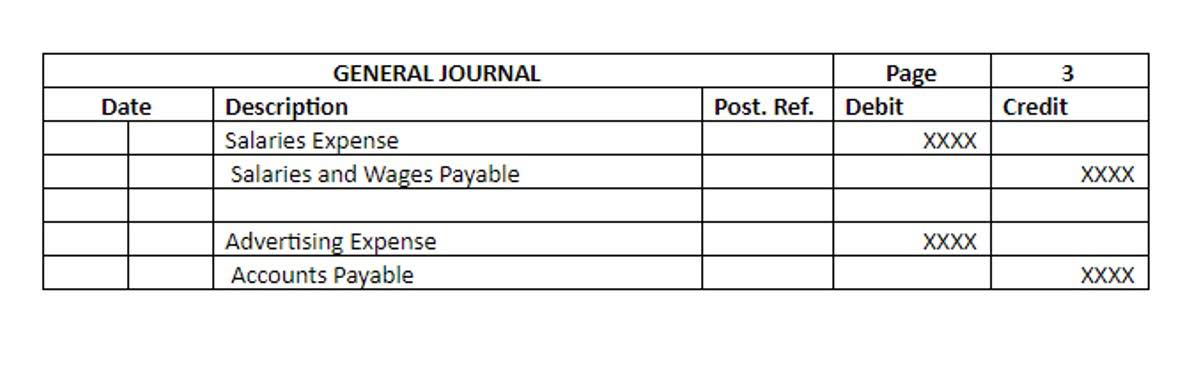
In such cases, the company recognizes an expense on its income statement but also records a corresponding liability on the balance sheet. In the balance sheet, the loan is a financial obligation, while the company’s assets, such as property or equipment purchased with the loan, increase. Over time, the company will need to repay the loan using its revenue and cash flow.
Can a liability also be an expense?
Accounts payable are recorded when an invoice is received, making them more straightforward to track compared to accrued liabilities. These liabilities are essential in accounting as they ensure that expenses are recognized in the period in which they are incurred, rather than when the cash is actually paid. This practice aligns with the accrual basis of accounting, providing a more accurate financial picture of the company’s obligations and financial health.
» Bookkeeping » Balance Sheets 101: What Goes...
About the Author: wertuslash

« Forex Trading for Beginners: A Beginner’s Guide To Currency Markets Online Trading Business & Personal Accounting Bookkeeping in Chicago, IL »